
Dog Treat Types Explained: Which Is Right for Your Dog?
Dog treats aren’t just about spoiling your pup (though we’re all for a little spoiling). The right dog treats can support training, promote better dental health, or just offer your dog a satisfying chew session that keeps them out of your sock drawer. Let’s break down the different types of treats so you can pick the best ones for your Dog-Friendly lifestyle.
The Role of Dog Treats in Your Pet’s Routine
Whether you’re raising a playful pup or caring for a mellow senior, dog treats can be more than just goodies—they’re tools. Trainers use them for positive reinforcement. Vets may recommend them to clean teeth. And for you? Treats can simply be a way to connect and bring joy.
That’s why understanding the different types of dog treats is key. You want to match your dog’s needs and behaviors to the right kind of reward.
Soft and Chewy Dog Treats
Soft treats are the go-to for training. They’re bite-sized, easy to chew, and usually pretty tasty—which makes dogs more responsive during training sessions.
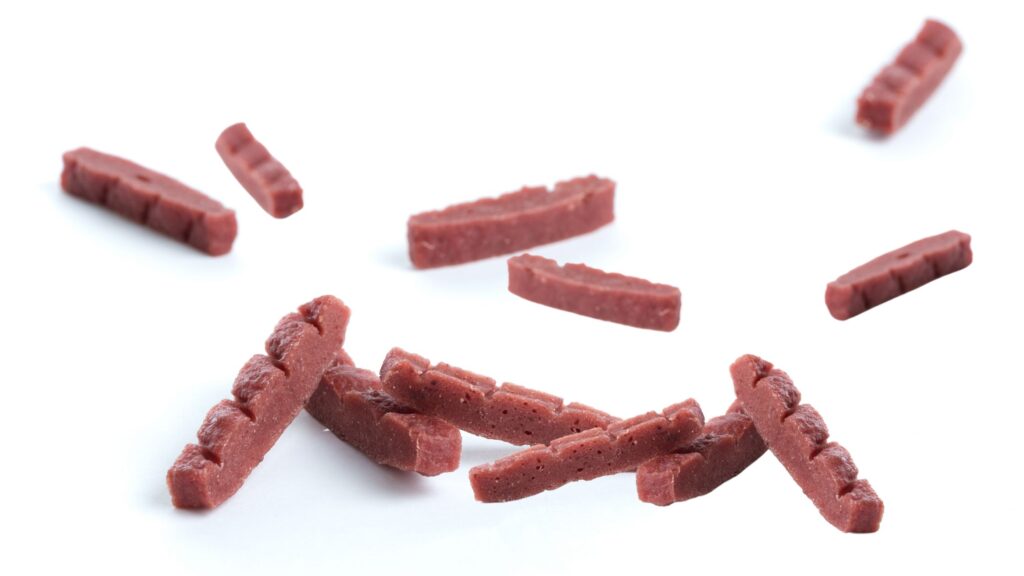
Best for: Puppies, small dogs, and older dogs who might have trouble with crunchy snacks.
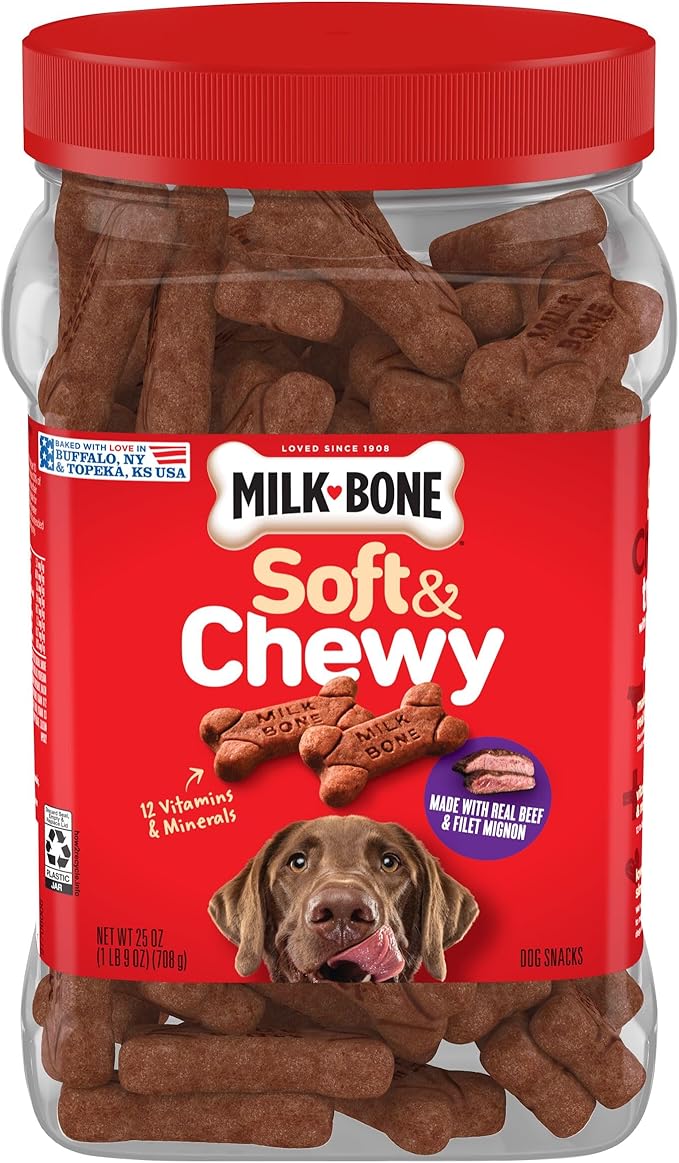
Crunchy Dog Treats
These are the classic milk-bone-style snacks—firm and biscuit-like. Crunchy treats are good for helping scrape plaque off your dog’s teeth and can be great for daily rewards.
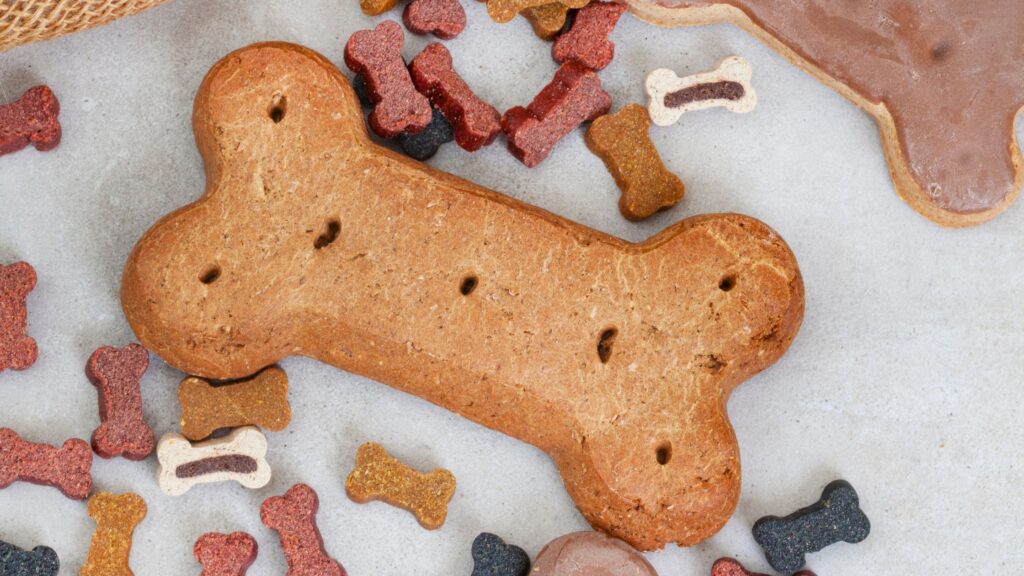
Best for: Mid-sized to large dogs who enjoy a good bite.
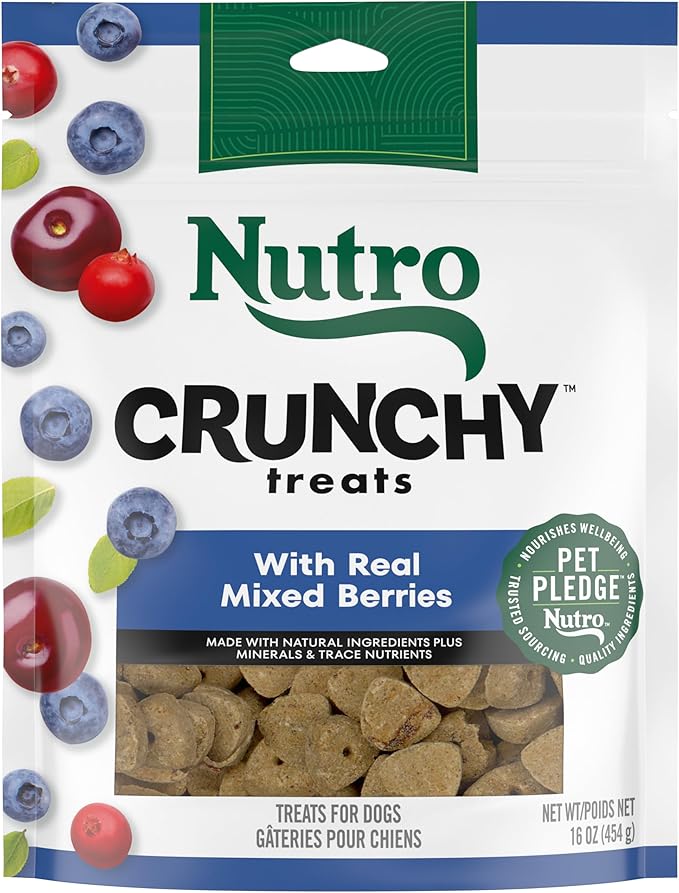
Freeze-Dried and Dehydrated Treats
These are often single-ingredient options like freeze-dried liver or chicken. Because they’re minimally processed, they keep much of the protein’s natural nutrients.
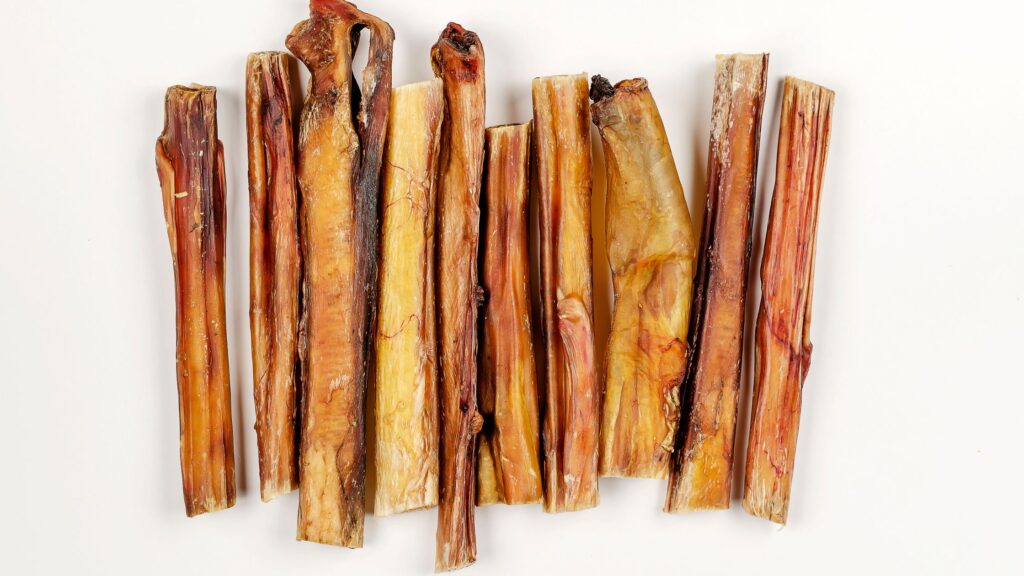
Best for: Dogs with food sensitivities or allergy-prone pups.
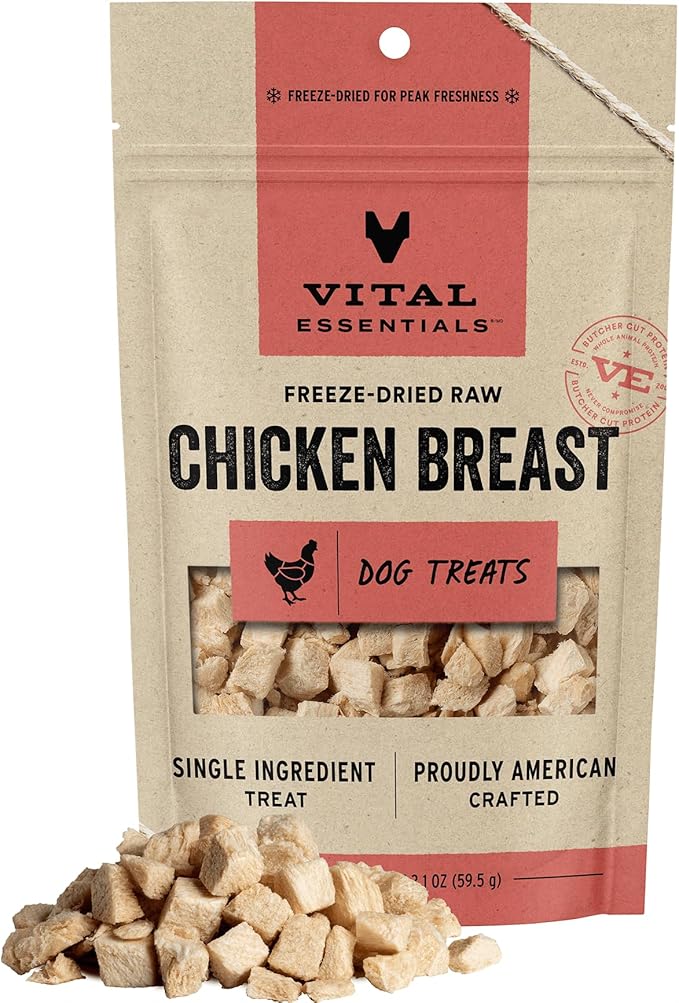
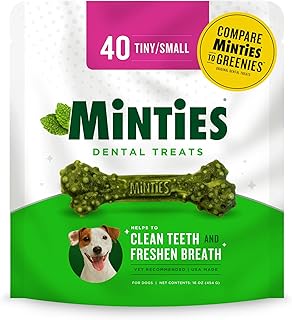
Dental Chews: Treats That Do More
Dental chews are designed with texture in mind. They help reduce tartar, promote fresher breath, and encourage healthy chewing behavior.
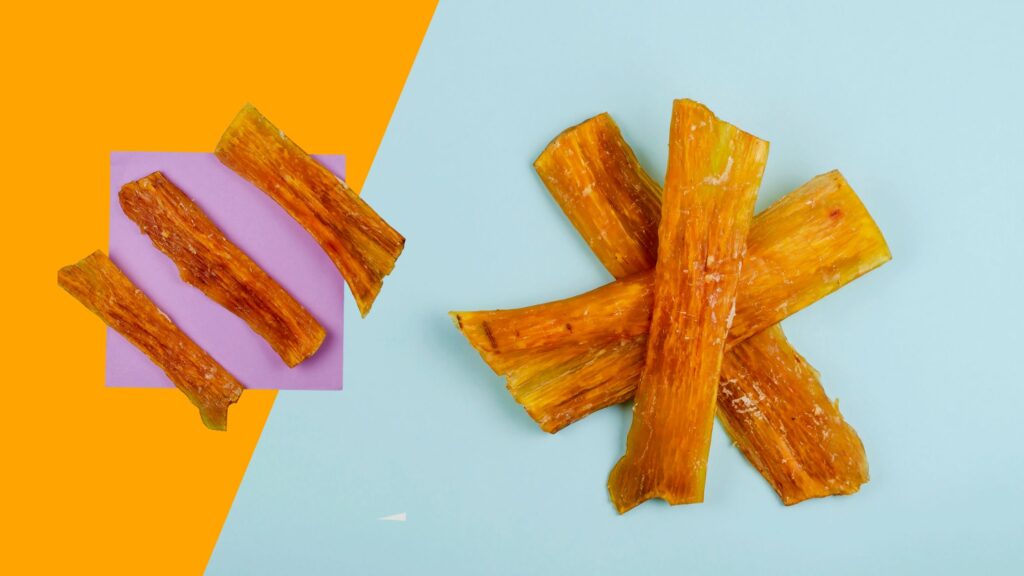
Best for: Dogs who need a bit of help in the oral hygiene department.
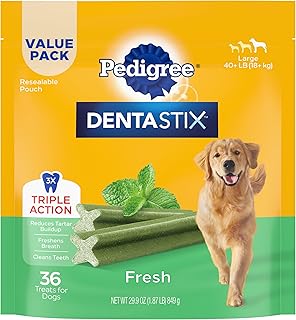
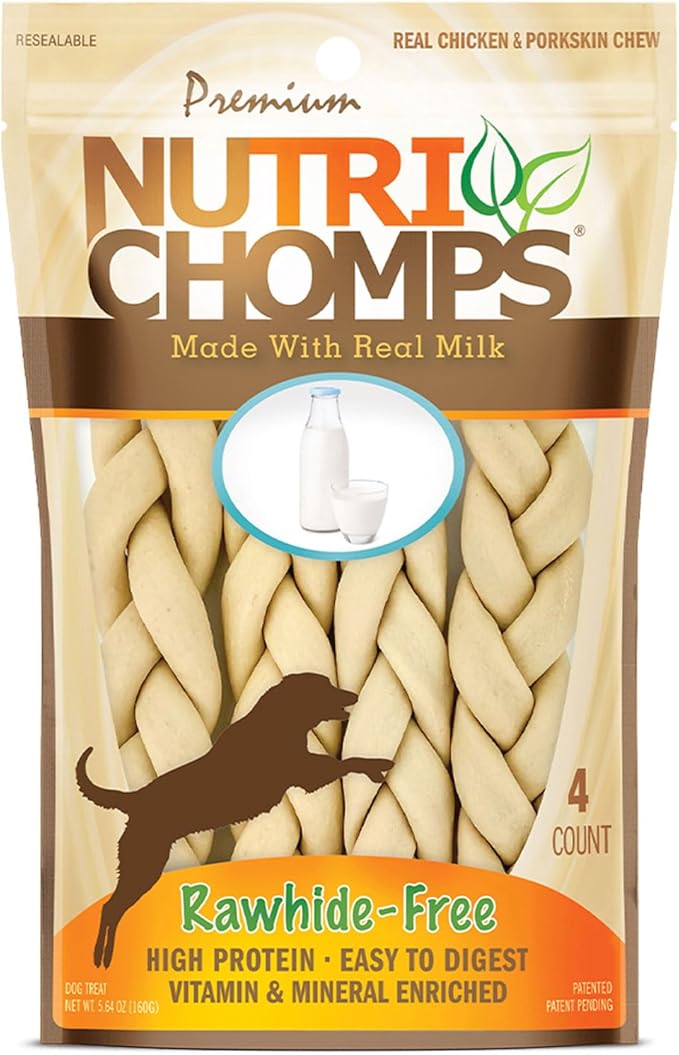
Long-Lasting Chews
These include things like bully sticks, yak chews, or even safe rawhide alternatives. They’re made to last and offer long chewing sessions that help relieve boredom and anxiety.
Best for: Strong chewers or anxious dogs who need a productive outlet.
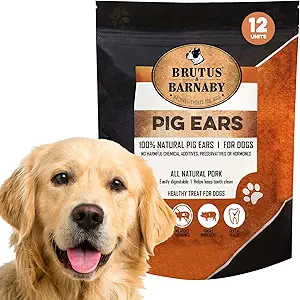
Natural Animal Parts
Think pig ears, cow hooves, beef tendons. These high-protein treats satisfy a dog’s instinct to gnaw and are often more natural than processed biscuits.
Best for: Dogs who love a primal snack experience.
Homemade Dog Treats
DIY dog treats let you control the ingredients and tailor them to your dog’s diet. You’ll find plenty of simple recipes online using pumpkin, peanut butter, oats, or sweet potatoes.
How to Pick the Right Treat
Before grabbing a treat bag, keep these points in mind:
- Ingredients: Go for whole-food ingredients and skip added sugar or artificial dyes.
- Calories: Treats should make up no more than 10% of your dog’s daily intake.
- Purpose: Know whether you’re using treats for training, dental care, or just bonding time.
- Size and Texture: Match the treat to your dog’s size and chewing ability.
Final Thoughts from the FurrTrekker Trail
Not all dog treats are created equal—but with a little insight, you can find the right match for your four-legged friend. Whether you’re looking for a quick training reward or a long-lasting chew, understanding the different types of dog-friendly treats helps you make smart choices.
“Dogs don’t care about branding—they care about taste and how it makes them feel. That’s why I always try to test new treats slowly and see how my pup reacts,” says Cass. And Maricel agrees: “Think about treats as part of your dog’s overall wellness—not just a way to say ‘good boy.’”
Stay tuned for more deep dives into dog-friendly living, and let us know—what’s your dog’s favorite treat?
